






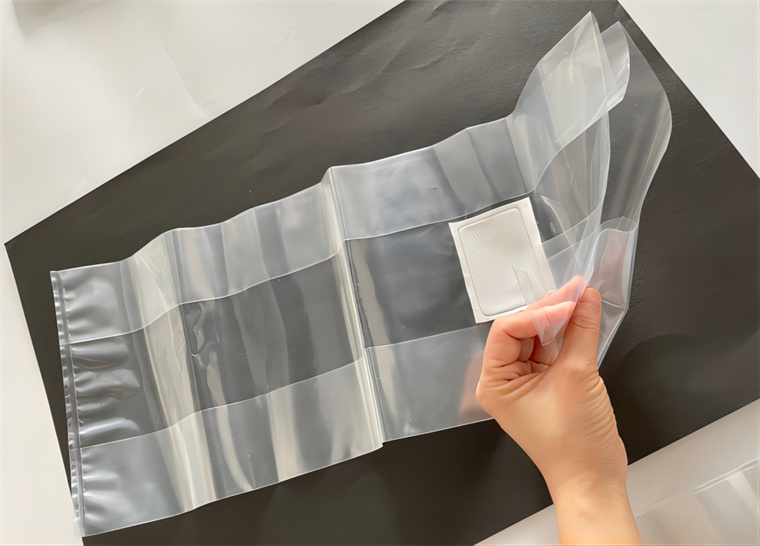
Oyster mushroom production with sterilized‑substrate spawn bags is a proven high‑yield cultivation method. This article shares practical greenhouse production parameters, material list, substrate formulas and mixing quality control points for autumn oyster mushroom farming.
Production Time & Site Requirements
The site for preparing oyster mushroom sterilized‑substrate spawn bags follows the same criteria as fermented‑substrate cultivation. Autumn production runs from mid‑August to late September.
For a 50 m × 8 m greenhouse: it can produce 10,000‑12,000 spawn bags. Each bag uses 1.5 kg dry substrate, total substrate demand 15,000‑18,000 kg. A 10 m² mixing platform and six sterilization vats are required; each vat processes 2,000 bags. Key production points are illustrated based on a 2,000‑bag batch.
Process Flow: Substrate selection → Substrate preparation → Bagging & sterilization → Inoculation → Mycelial growth management
1. Materials and Spawn (for 2,000 bags)
Spawn bags: Double‑open‑end polyethylene bags, 50 cm × 22 cm × 0.004 cm, total weight 7 kg
Rubber bands: 1.5 kg
Paper covers: 4,000 pieces (2 layers of old newspaper or 1 layer of kraft paper, 2 pieces per bag)
Collars: 4,000 pieces, 5 cm diameter, 1 cm height
Fuel: Coal 500 kg
Spawn: 200 bags of tertiary spawn (17 cm × 33 cm, 0.75 kg per bag). Spawn dosage: 5% of dry substrate weight.
2. Substrate Reference Formulas
General Formulas
① Cottonseed hulls 90%, wheat bran 8%, superphosphate 1%, gypsum powder 1%② Corn cobs 80%, wheat bran 16%, superphosphate 1%, gypsum powder 1%, lime 2%③ Sawdust 77%, wheat bran 20%, superphosphate 1%, gypsum powder 1%, lime 1%④ Corn cobs 30%, sawdust 50%, wheat bran 10%, corn flour 3%, soybean cake powder 3%, superphosphate 1%, lime 2%, gypsum 1%2,000‑bag Batch Formula (Formula ④, total dry substrate: 3,000 kg)
‑ Primary ingredients: Corn cobs 900 kg, sawdust 1,500 kg‑ Supplementary ingredients: Wheat bran 300 kg, corn flour 90 kg, soybean cake powder 90 kg‑ Minor ingredients: Superphosphate 30 kg, lime 60 kg, gypsum 30 kg
3. Substrate Mixing & Quality Control
Core tasks: raw‑material pre‑wetting, material transportation, proportioning and mixing.
Quality Standards: Moisture content 60%‑65%; accurate proportioning; fully mixed materials; pH value 7.5‑8.0.
Raw‑material pre‑wetting: Soak coarse corn cobs in lime‑water for 8‑12 hours (shorten time in hot weather). Sufficient pre‑wetting avoids incomplete sterilization and contamination risks.
Proportioning: Weigh raw materials strictly according to formulas.
Mixing operations: Mix base materials, supplements and minor ingredients sequentially. Two‑stage mixing (10 min each) is required; three‑stage mixing is preferred for better uniformity and heat dissipation.
Do not mix spoiled old substrate with fresh materials. Complete daily production records and keep site & equipment clean after operation.


 Send Email
 WhatsApp