






1.Plastic Bag Selection
Adopt polyethylene plastic bags: 50cm(L) × 22cm(W), 0.004cm thick.For 4-layer inoculation: pre-sew 12 rows of holes divided into 4 groups (3 rows per group). Tie one end tightly with plastic rope before use.
2. Spawn Pre-treatment Before Inoculation
Disinfect bag outer walls, spawn containers and gloves with 0.1% potassium permanganate solution or 2% Lysol solution.
Break spawn into 1cm cubes; peel off aged mycelial skin and store spawn in sterilized containers.⚠️ Important Notes① Never trample or squeeze spawn forcibly. It reduces spawn vitality, leads to slow germination & slow substrate consumption, lowering mycelium growth speed and yield.② Remove aged mycelial skin. Old mycelia have weak activity and easily attract contaminants, resulting in infected bags.
3. Bag Filling & Inoculation
(1) Two Main Inoculation Methods
✅ Layer Sowing (Recommended)Start operation when substrate temperature drops below 25℃. Inoculation rate: 20%.Three-layer spawn layout ratio: bottom : middle : top = 2:1:2. Place more spawn on both ends and less in the middle; insert spawn into pre-sewn micro-holes.Sealing options:
Rope binding: Punch 3–5 ventilation micro-holes at both ends.
Neck ring: Cover with double-layer newspaper; no extra holes needed.
✅ Hole SowingDrill holes in the middle of the bag; place spawn in triangular layout with 8–10cm spacing, then cover spawn with substrate.
(2) Production Team Division
Material worker: Adjust substrate pH and moisture evenly.
Spawn handler: Disinfect spawn packages before use.
Bag packer: Fill bags following standard procedures.
Bag placement: Lay plastic film and spread lime powder. Stack bags in grid or triangular shape, avoid squeezing ventilation holes.
(3) Large-scale Production Suggestion
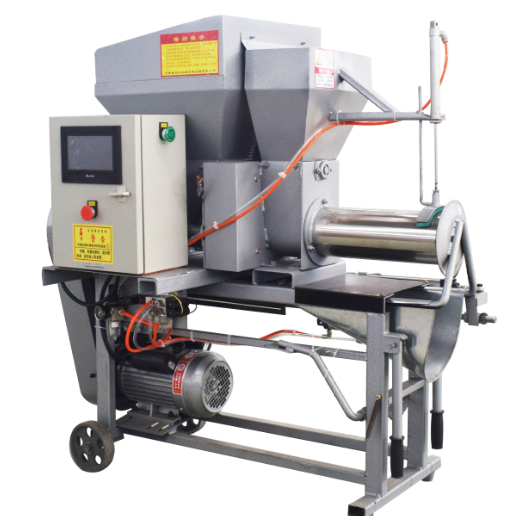
Deploy automatic filling & sowing machine. It mixes substrate and spawn evenly, improves efficiency and reduces heavy manual labor.Manpower allocation: 5 operators per machine (bag loading, material feeding, spawn feeding, sealing etc.)
4. Mycelium Cultivation Management
Transfer inoculated bags to disinfected cultivation room.Optimal conditions: Temperature 20–24℃, relative humidity 60%, fresh air, complete darkness.Full colonization takes 25–30 days normally.
(1) Cultivation Room Disinfection
Fumigation scheme 1: 10mL formaldehyde + 5g potassium permanganate per cubic meter, fumigate 12–24 hours.
Fumigation scheme 2: Aerosol disinfectant 4–6g/m³.
Supplementary spray: 3%–5% Lysol every 5–7 days to prevent contamination.
(2) Temperature Control & Bag StackingSuitable mycelium growth temperature: 15–22℃.
Substrate temp 15℃: Horizontal stacking, 5 layers, 60cm gap between stacks.
Substrate temp 20℃: Grid stacking, 5 layers, 60cm gap between stacks.
Substrate temp above 25℃: Single-layer placement.Turn stacks every 5–7 days, swap top & bottom bags and rotate 180° for uniform temperature.
Reminder: Internal bag temperature is 3–5℃ higher than ambient air temperature; prevent burning spawn holes.
(3) VentilationVentilate 2–3 times daily, 30 minutes each time. Sufficient oxygen guarantees spawn germination.
(4) Humidity & LightRelative humidity maintained at 60%–70%. Avoid excessive humidity (contamination) or extreme dryness (water loss). Keep weak light; strong light inhibits mycelium growth.
(5) Regular Inspection & Troubleshooting① 2–3 days post inoculation: Check spawn germination. Drill holes immediately if poor ventilation blocks germination.② 3–5 days post inoculation: If spawn germinates without consuming substrate, lower internal bag temperature.③ Minor mold: Oyster mushroom mycelium can suppress contaminants. Drain accumulated water by punching bottom holes.④ Green mold pollution: Inject 1000× diluted 50% carbendazim wettable powder for slight infection. Remove and burn severely contaminated bags timely.


 Send Email
 WhatsApp