






Summary: Spawn isolation is the core step of oyster mushroom artificial cultivation. This article simplifies two widely adopted, efficient isolation methods for commercial and home growers, excluding the complex single-spore isolation that is rarely used in actual production.
High-quality pure spawn is critical to high yield and stable growth of oyster mushrooms. Currently, multi-spore isolation and tissue isolation dominate the mushroom cultivation industry. Compared with complicated single-spore isolation, the two approaches feature lower costs and simpler operations, catering to most growers’ demands.
1. Multi-Spore Isolation
This method collects natural spores from high-quality oyster mushrooms. Spores germinate and hybridize in a sterile medium to form purified mycelium, which is ideal for large-scale strain breeding.
Core Operating Steps
Medium Preparation: Prepare 0.8–1.0 cm thick culture substrates in conical flasks. Sterilize the substrates thoroughly and cool them for later use.
Parent Mushroom Selection: Select near-mature, healthy fruiting bodies with complete caps and vigorous growth performance.
Sterilization: Clean selected mushroom caps with sterile water, then disinfect the surface using 75% alcohol in a sterile operating environment.
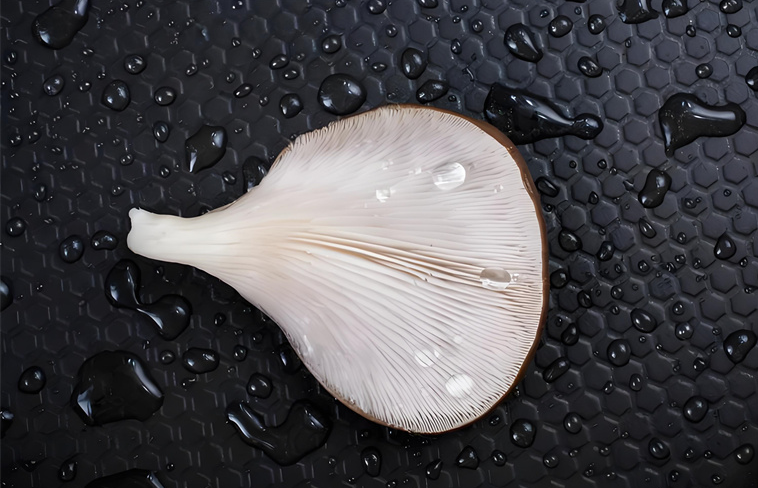
Spore Collection: Cut mushroom caps into 2cm cubic pieces with intact gills. Suspend the pieces inside flasks with gills facing down to let spores drop onto the medium.
Constant-temperature Cultivation: Incubate sealed flasks at 25℃. Spores germinate into mycelia in approximately 7 days. Transfer mature mycelia to test tubes to produce mother spawn for propagation and storage.
2. Tissue Isolation (Industry’s Preferred Method)
Tissue isolation extracts internal sterile tissue from premium oyster mushrooms to cultivate pure spawn. It boasts faster mycelium growth, zero mutation risks and stable genetic traits, becoming the mainstream solution for commercial mushroom farms.
Core Operating Steps
Seed Mushroom Screening: Adopt early mature mushrooms with complete shapes, uniform color and original excellent genetic characteristics.
Pre-treatment & Disinfection: Place mushrooms aside for 1–2 hours to remove redundant surface moisture. Rinse with sterile water and disinfect the outer surface with 75% alcohol.
Aseptic Inoculation: Sterilize the inoculation knife with an alcohol lamp. Take a mung bean-sized healthy tissue from the joint of gills and stipe, then place it on slant culture medium in test tubes.
Cultivation & Screening: Maintain a constant temperature of 25℃ for incubation. White mycelia sprout within 2–3 days and fully grow in 3–5 days. Screen uncontaminated strains to obtain qualified mother spawn.
Best Practices & Recommendations
Beginners: Prioritize tissue isolation. It has a higher success rate and lower requirements for operating experience.
Advanced Growers: Choose multi-spore isolation to cultivate new hybrid strains and enrich mushroom varieties.
Universal Rule: A fully sterile workspace and stable 25℃ cultivation temperature are essential to avoid bacterial contamination.


 Send Email
 WhatsApp