






Classified according to the treatment of the culture medium:
(1) Fermented Substrate Cultivation: This method involves cultivating edible mushrooms after the culture
medium has undergone composting and fermentation. Fermented substrate cultivation is a method between
raw material cultivation and sterilized substrate cultivation, also known as semi-raw material cultivation.
The advantages of this method are simple operation, labor-saving, and fuel-saving; the disadvantage is
that the mushrooms are prone to disease and pest infestation in the later stages of fruiting.
(2) Sterilized Substrate Cultivation: This method uses culture medium that has been sterilized by high-pressure
or atmospheric pressure sterilization to cultivate edible mushrooms. The advantages of this method are high yield,
good quality, and sustained production; the disadvantages are that it is labor-intensive and fuel-intensive.
(3) Raw Material Cultivation: This method involves cultivating edible mushrooms by directly inoculating the
culture medium without fermentation or high-temperature sterilization. The advantages of this method are
simple operation, labor-saving, and fuel-saving, making it easily accepted by mushroom growers;
the disadvantages are low yield, insufficient sustained production, and a high risk of contamination by
miscellaneous bacteria, especially in the later stages of fruiting.
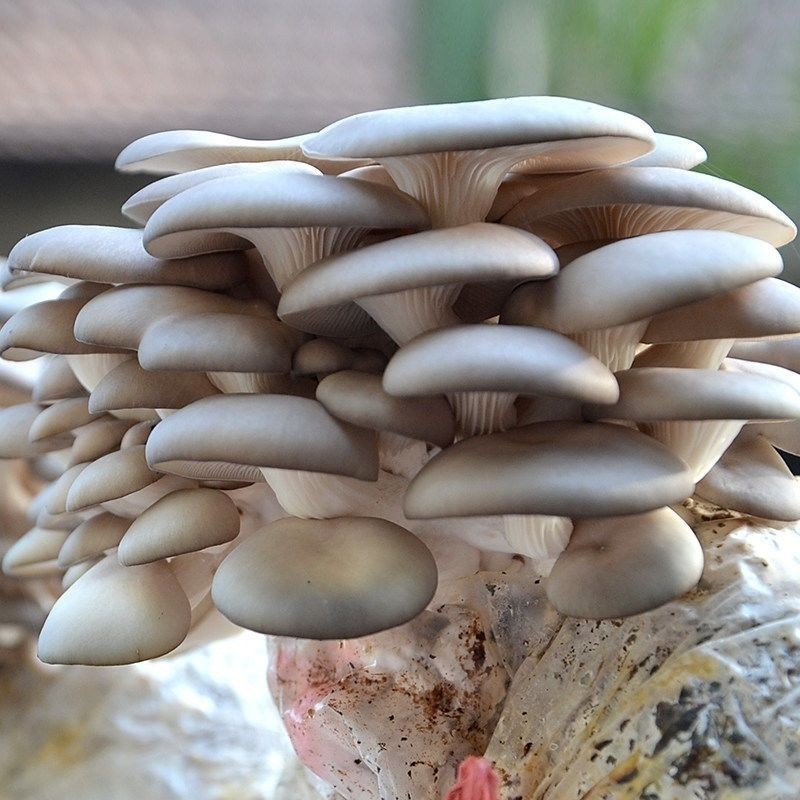
(4) Semi-Sterilized Substrate Cultivation for Oyster Mushrooms: This method involves stacking the mixed
raw materials for 2-3 days, then sterilizing them with 100°C high-temperature steam at atmospheric pressure
for 2-3 hours to kill most pathogenic bacteria and insect eggs in the culture medium. The sterilized culture
medium is then bagged while still hot, cooled, and then inoculated for cultivation.


 Send Email
 WhatsApp