






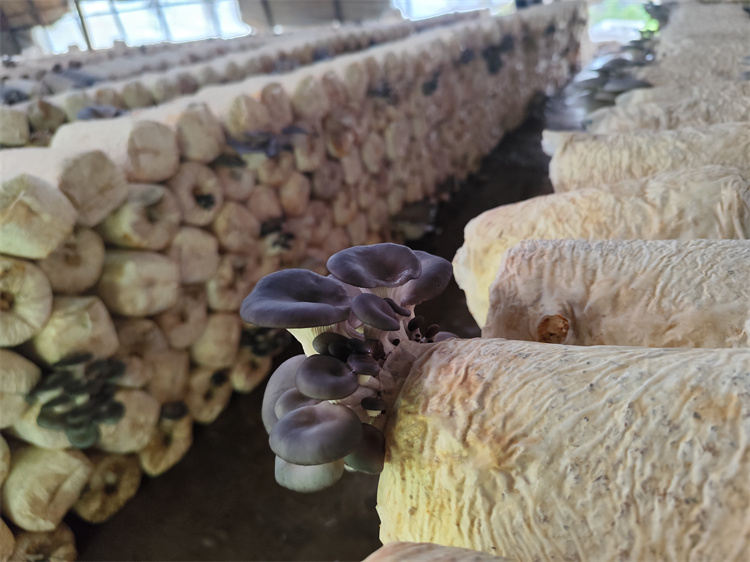
Oyster mushroom sites need convenient transport, sufficient water/electricity, high-dry terrain, good drainage, and no drought/flood risks. Ensure no livestock pens within 500m and no polluting factories (e.g., chemical plants) within 3000m. Ideal options include solar greenhouses, semi-underground greenhouses, etc. Below are key details for the two main greenhouse types.
Solar Greenhouse: Span 7-8m, ridge height 3.2-3.5m, wall thickness ≥80cm (with perlite/foam insulation). Cover with greenhouse film and insulation blankets/grass mats for light, heat and insulation. Two rows of "pin"-shaped vents (0.3m diameter, 4m spacing) on the back wall regulate oxygen, temperature and humidity. Hang 80%-90% shading nets 1m above in summer; equip with a micro-sprinkler system connected to clean water.
Semi-underground Greenhouse: Excavate 1m deep first (bottom 1m below ground for better insulation). Specifications (span, ridge height, wall) same as solar greenhouses. Vents match in size and function; build a drainage system around to avoid rainwater flooding.
After building the shed: Keep vents open for 24/7 ventilation 20 days before bagging, or lift the film for sun exposure. Two days before use, sprinkle lime powder, then spray 1000x diluted 50% carbendazim and 2000x diluted dichlorvos for sterilization and insect prevention. Regular disinfection of cultivation areas is essential.


 Send Email
 WhatsApp